The Tamil Nadu Seed Savers Network (often referred to in Tamil as Tamil Nadu Vidhai Segarippalargal Kootamaipu) is a prominent grassroots, farmer-led initiative dedicated to the conservation, protection, and distribution of indigenous and climate-resilient seeds across Tamil Nadu.
The network functions as a repository and educational hub for traditional agricultural practices, aiming to break the dependency on commercial, hybrid seed systems.
Core Mission and Activities
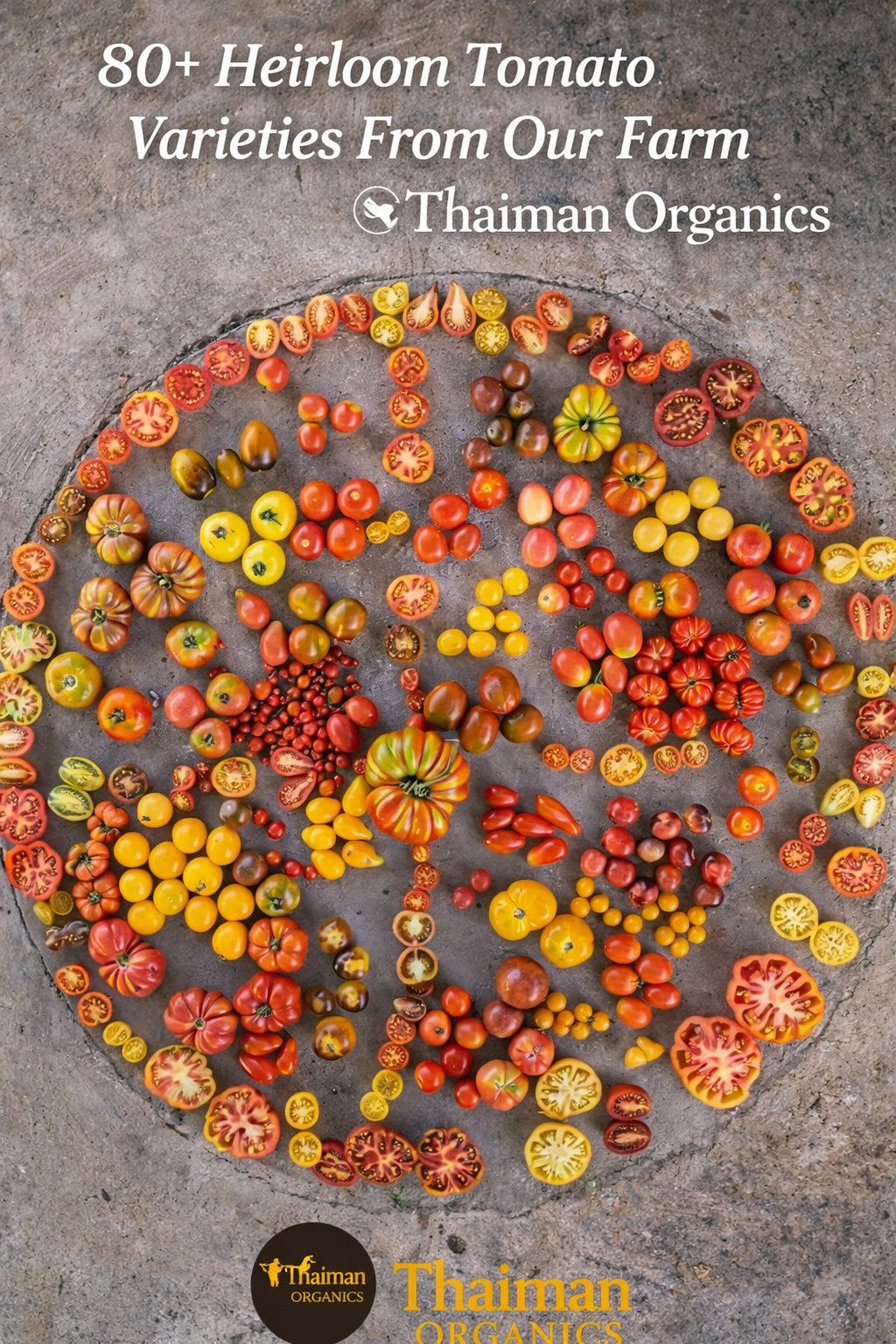
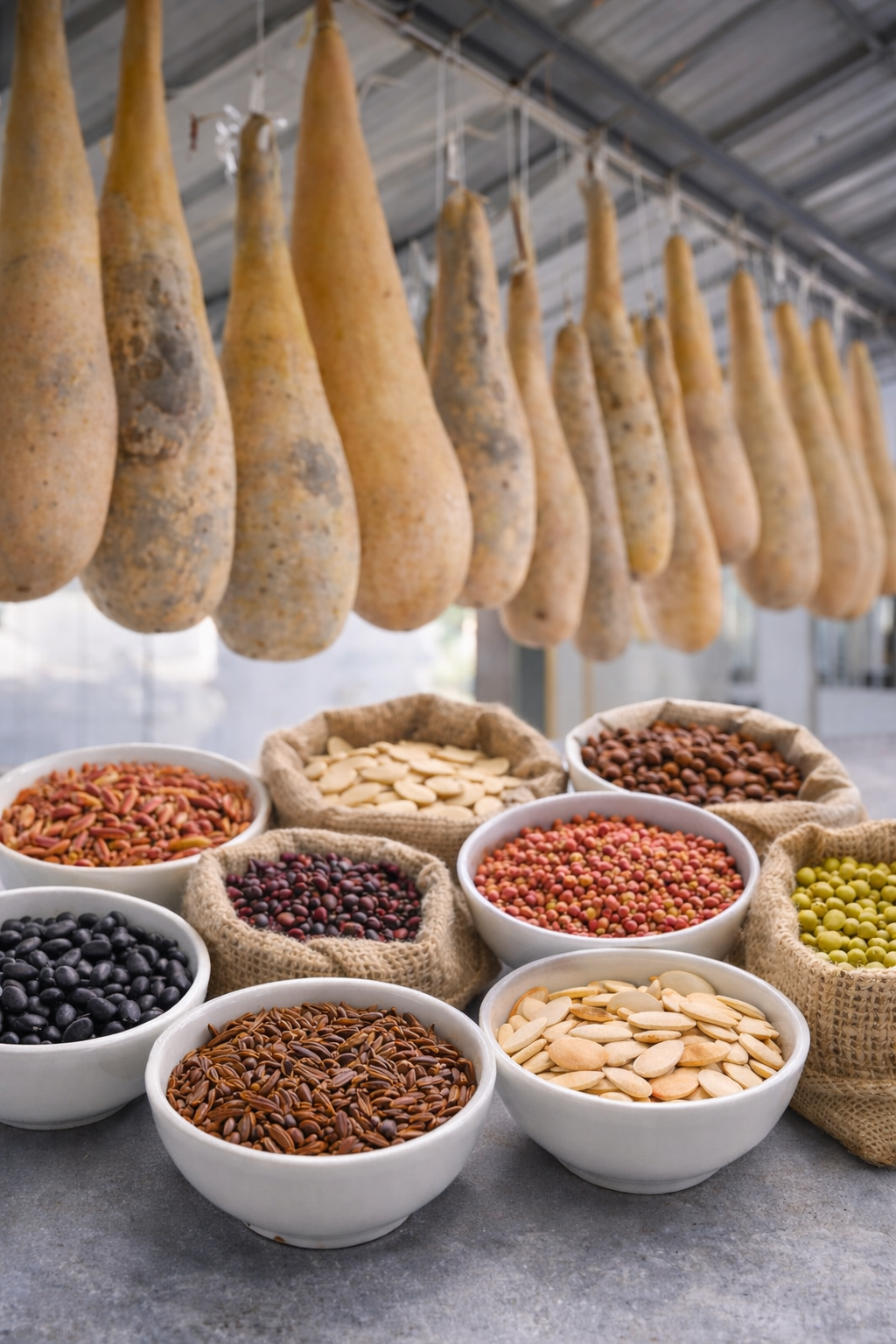
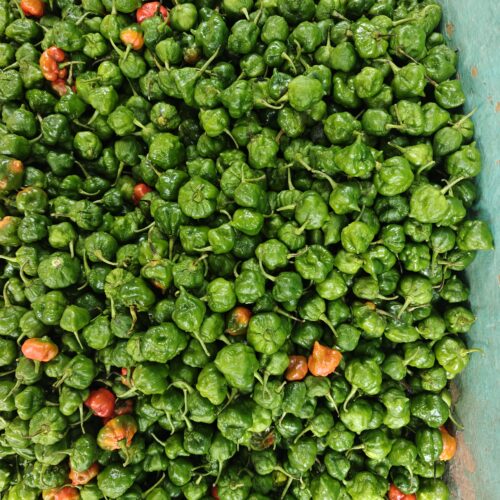
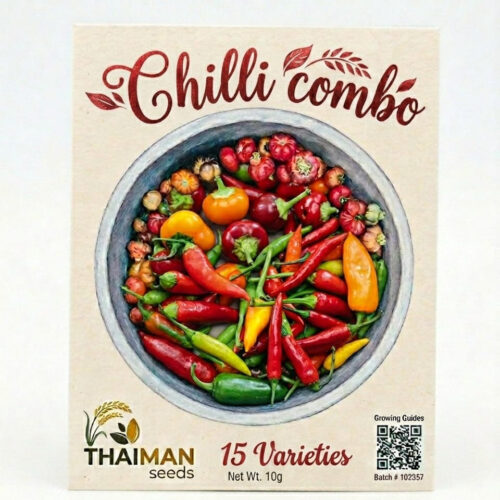
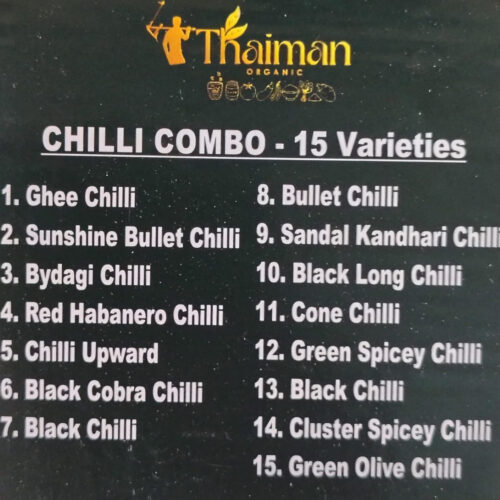
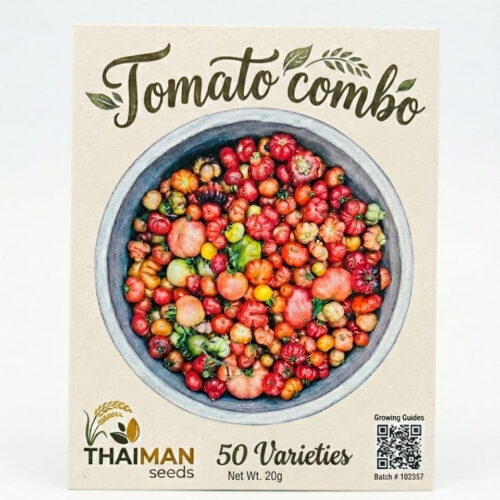
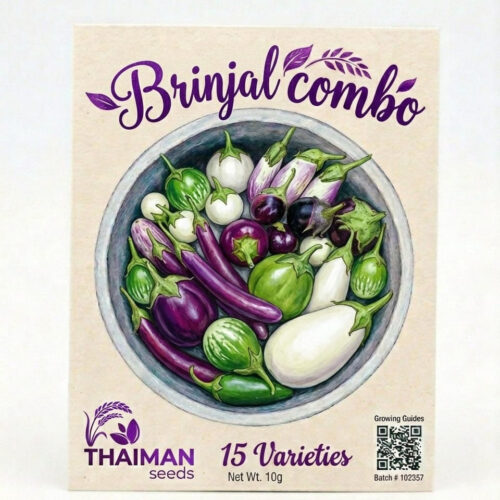
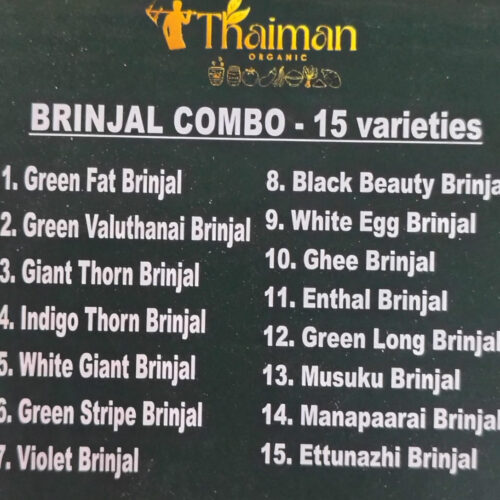
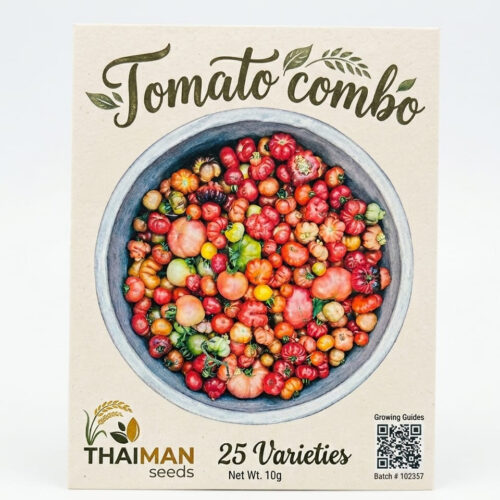
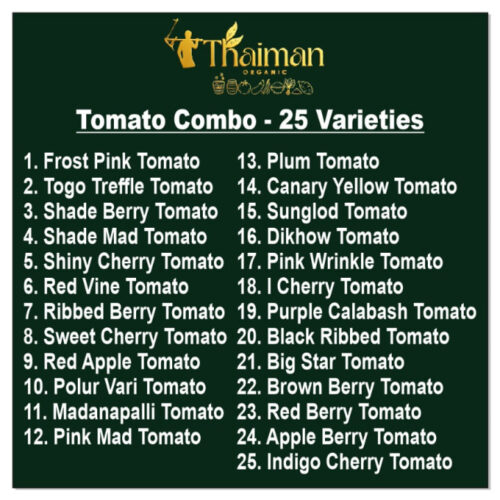
Biodiversity Conservation: The network has built a repository of over 1,000 indigenous varieties, including traditional paddy (rice), millets, vegetables (like heirloom tomatoes and chillies), and tubers.
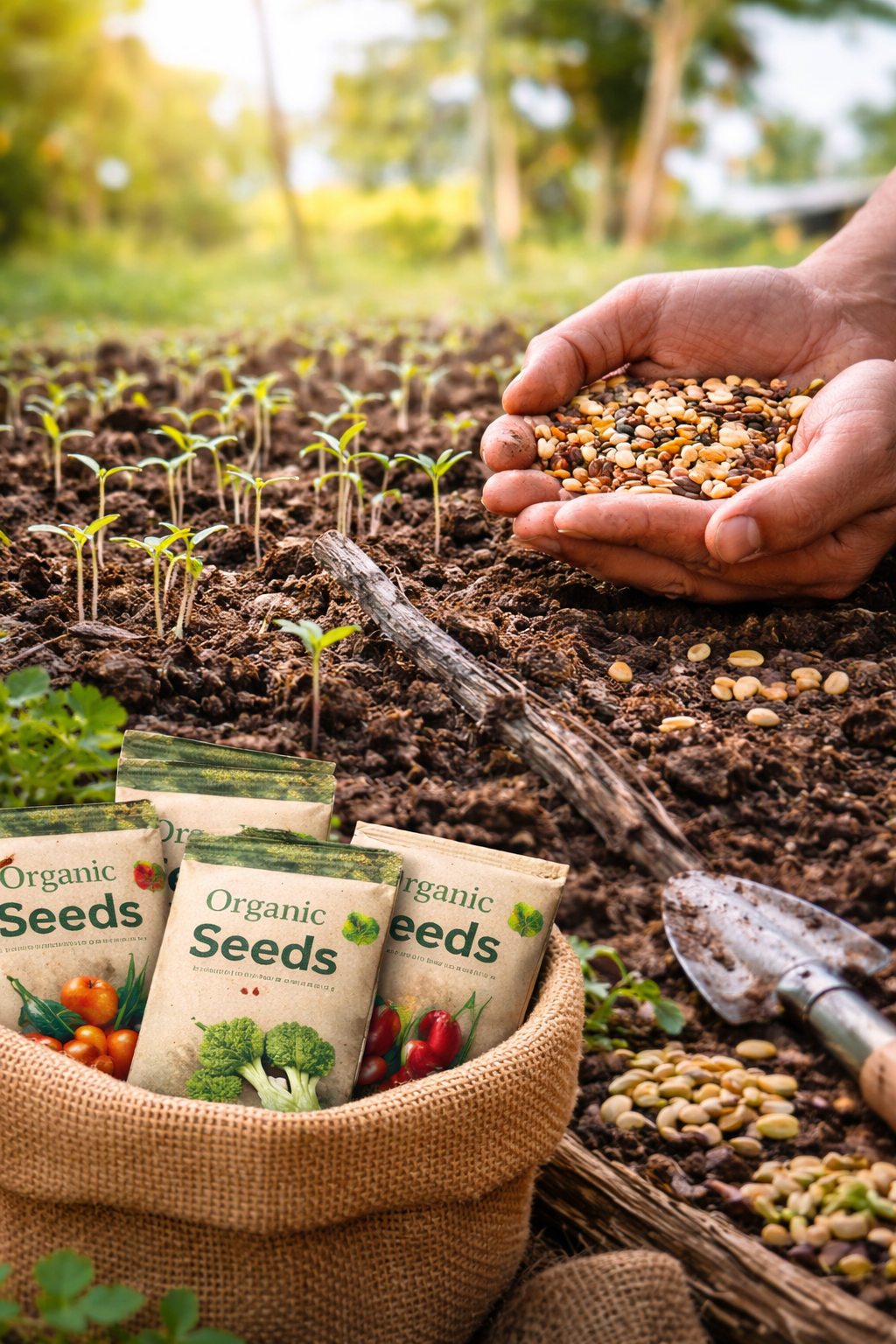
In-Situ Conservation: Unlike traditional seed banks that store seeds in cold rooms, they promote “living” conservation—keeping seeds active by ensuring farmers grow them in their own soil season after season.
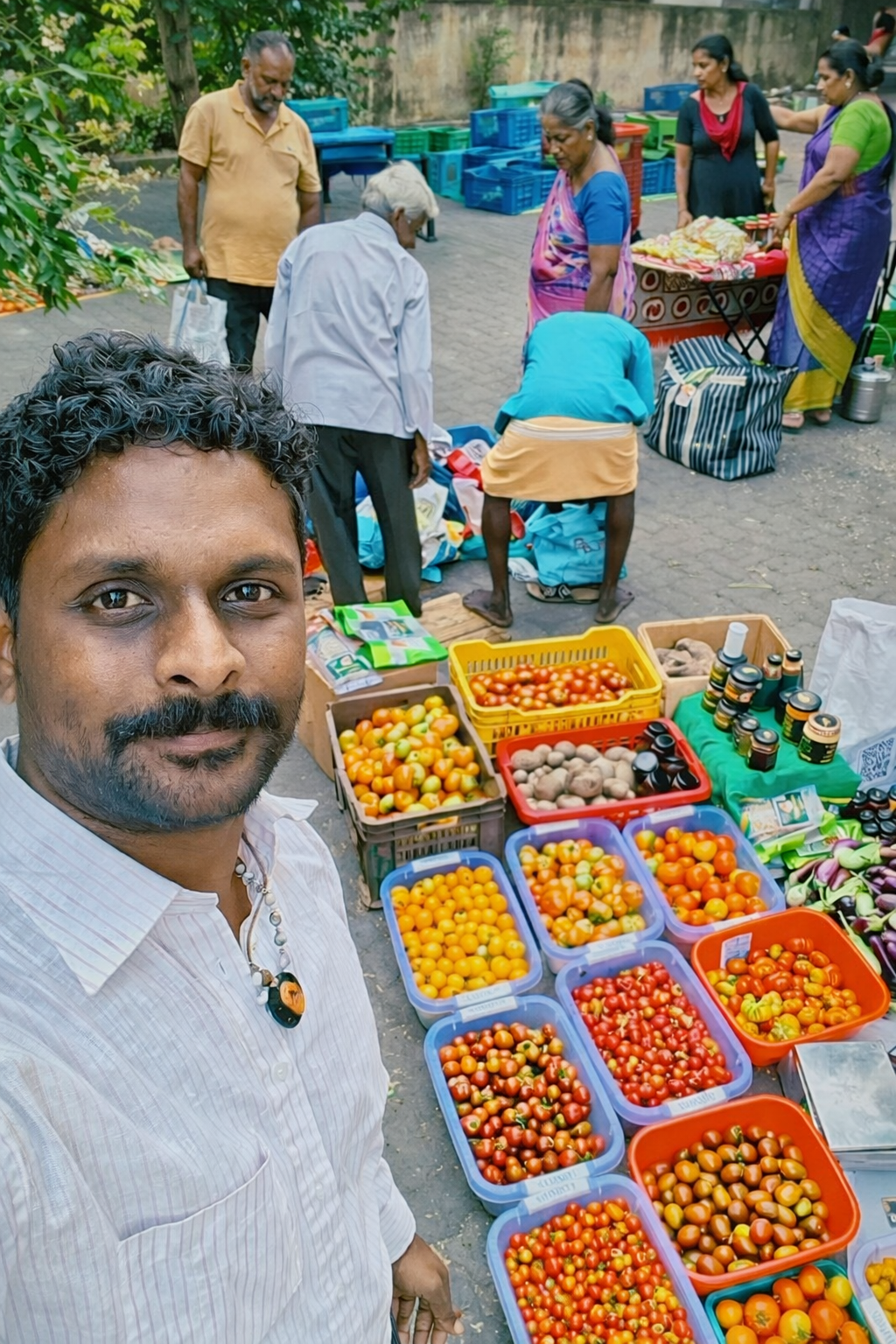
Seed Festivals (Beeja Melas): They are well-known for organizing large-scale seed festivals and “Marabu Kaigari Vizha” (Traditional Vegetable Festivals). These events allow farmers and urban gardeners to exchange seeds, share knowledge, and buy rare heirloom varieties.
Training & Advocacy: They provide hands-on workshops for both rural farmers and urban kitchen gardeners on natural farming methods, seed processing, and maintaining genetic purity.
Key Figures and Impact
The network is often represented by activists and conservationists like Akila and Yuvaraj, who work with a collective of young volunteers and tribal communities to “rescue” seeds that are no longer found in commercial markets.
They focus on three primary pillars:
Mapping: Identifying rare native seeds in different agroecological regions of Tamil Nadu.
Experimentation: Testing these seeds for climate resilience (drought or flood resistance).
Exchange: Ensuring these seeds reach the hands of as many growers as possible to prevent extinction.
Note: Their work is particularly vital for preserving the “stories” and cultural heritage attached to Tamil Nadu’s traditional crops—varieties our grandparents grew that have largely vanished from modern supermarket shelves.